
by Dr. Jenna Silakoski, North Idaho DPC
A Path to Healing Through Light
In a world where wellness options continue to grow, red light therapy has emerged as a promising solution for those facing various health challenges, including young people who have experienced trauma. This non-invasive treatment can offer a sense of hope and healing, providing a supportive pathway toward recovery. Let’s dive into what red light therapy is, how it works, and the potential benefits it can offer.
What is Red Light Therapy?
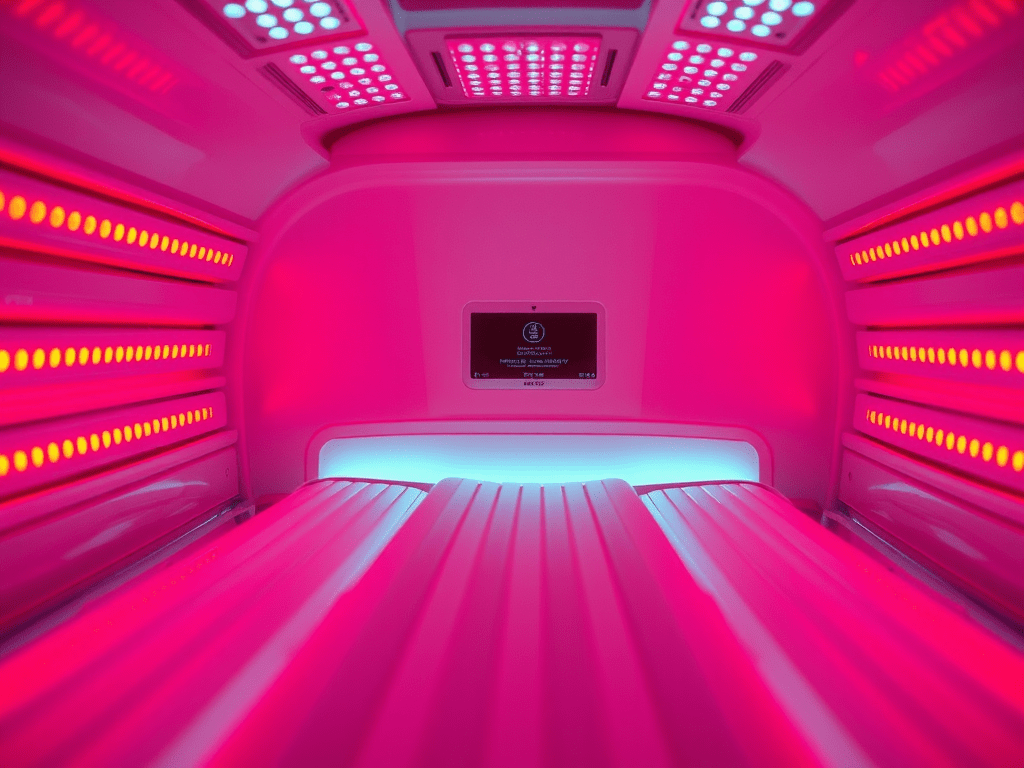
Red light therapy, also known as photobiomodulation, uses specific wavelengths of red and near-infrared light to stimulate healing in the body. It’s gaining attention for its ability to help with a wide range of issues, including physical and emotional health.
How Does Red Light Therapy Work?
At its core, red light therapy works by harnessing light energy to promote positive changes in our cells. Here’s a simple breakdown of how it functions:
- Boosting Cellular Energy: The mitochondria in our cells absorb red light, which helps increase the production of ATP (adenosine triphosphate), the energy source that powers our cells.
- Improving Blood Flow: This therapy can enhance circulation by releasing nitric oxide, which opens up blood vessels and improves the delivery of oxygen and nutrients to tissues.
- Supporting Healing: With more energy and better blood flow, cells can repair themselves more effectively, leading to improved skin health, tissue regeneration, and overall wellness.
Potential Benefits for Youth with Trauma
Red light therapy can be particularly beneficial for young people dealing with trauma. Here are some ways it can help:
- Pain Relief: It can alleviate physical discomfort, which might be especially important for youth who experience stress-related pain or tension.
- Emotional Support: Red light therapy has shown promise in improving mood and may help with anxiety and depression, which can be common after traumatic experiences.
- Skin Healing: For those who might struggle with self-image or have experienced skin issues due to stress, red light therapy can improve skin tone and promote healing.
- Enhanced Recovery: It can speed up the healing process for injuries, which can be particularly beneficial for active young individuals or those recovering from trauma-related injuries.
Consultation is Key
Before starting red light therapy, it’s essential to talk to a healthcare provider who understands your unique situation. They can help assess your needs, suggest the right treatment plan, and monitor your progress, ensuring that you get the most out of your experience.
In Conclusion
Red light therapy represents an exciting opportunity for healing and growth, especially for young people navigating the challenges of trauma. Its non-invasive nature and potential to stimulate healing can provide a comforting option for those seeking support. If you’re interested in exploring red light therapy as part of your wellness journey, consider reaching out to a trusted healthcare provider. Together, you can uncover the possibilities this innovative therapy may offer in your path toward a healthier and happier life.
Discover more from Gerdes Foundation
Subscribe to get the latest posts sent to your email.
 Gerdes Foundation